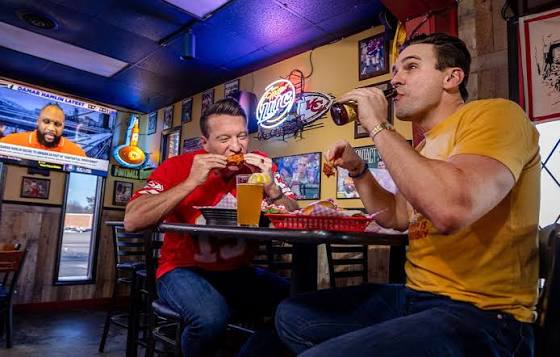
Choosing a sports bar for game day takes more than finding a TV and ordering drinks. The venue should support clear viewing, comfortable seating, prompt service, varied meals, and practical transport. Those details influence concentration, conversation, and overall enjoyment during a long fixture. A considered choice also reduces avoidable stress, particularly when the occasion involves a large group, an important final, or several matches scheduled across one afternoon.
Start With Clear Viewing Quality
Groups comparing the best sports bars in Melbourne should examine screen size, position, brightness, and viewing angles. A large display loses value if pillars, lighting, or nearby guests obstruct the picture. Multiple screens help when several fixtures overlap, as long as each broadcast stays easy to follow. Every person should have a direct sightline, without turning repeatedly or standing throughout the contest.
Check the Sound Balance
Commentary should remain clear without overpowering conversation. Excessive volume can cause vocal strain, especially during extended gatherings. A well-managed venue adjusts audio for the main fixture while preserving enough background sound for discussion. Before making a booking, organisers can ask whether each screen has separate audio or whether one shared broadcast controls the entire room.
Review Food Choices
Food should arrive promptly, remain easy to share, and accommodate different dietary needs. Finger foods suit guests who prefer light eating between plays, while substantial meals help those attending directly after work. Menus should include vegetarian choices and clearly identify common allergens. Practical portions also reduce table congestion, allowing plates, drinks, and personal items to fit comfortably without obstructing the screen.
Compare the Drinks List
A balanced drinks list should cater to beer drinkers, wine guests, spirit preferences, and people choosing non-alcoholic refreshments. Water access also matters during warm weather or extended sessions. Organisers should check table ordering, service speed, and payment arrangements before arrival. Clear options reduce delays, prevent repeated trips to the bar, and help guests remain focused on the fixture.
Consider Seating Comfort
Seating affects posture, concentration, and tolerance during a match lasting several hours. Chairs should provide adequate back support, while tables need sufficient space for plates and glasses. Reserved sections offer greater certainty for larger parties. Flexible seating may suit small groups, although organisers should confirm sightlines before accepting any table. Guests should not need to twist their necks or lean across others.
Look For a Suitable Atmosphere
Atmosphere should match the group’s preferred level of noise and activity. Some fans enjoy loud reactions, chants, and constant movement. Others prefer measured conversation with commentary that remains audible. The best choice reflects those preferences, not popularity alone. A venue with distinct seating areas can accommodate different energy levels, giving each gathering a more comfortable setting.
Check Booking Requirements
Major finals, rivalry fixtures, and tournament matches often attract large crowds. Groups should confirm reservation times, deposits, minimum spending, cancellation rules, and arrival limits. Early contact usually provides better seating options and clearer expectations. A named booking also reduces confusion at the entrance. Guests should receive the reservation details before game day, particularly if the party includes visitors unfamiliar with the area.
Review Location and Transport
Travel arrangements influence attendance and safe departure. Consider public transport, nearby parking, walking routes, and late-night services. A central venue may suit guests travelling from different suburbs, while a local option can reduce total journey time. Organisers should compare routes rather than choosing a location that serves only one person. Shared travel plans can also simplify arrival and departure.
Assess Service During Busy Matches
Busy fixtures test staff capacity. Staff should acknowledge orders, communicate wait times, and remove empty plates without blocking screens or aisles. Guests can review recent feedback, though organisers may get more insight through a direct phone call. Questions about group service, food timing, and payment procedures reveal whether the venue can handle a crowded match without unnecessary interruptions.
Match the Venue With the Occasion
A relaxed afternoon requires fewer arrangements than a birthday, workplace gathering, or private event. Small parties may need flexible tables and quick service. Larger groups often benefit from reserved sections, shared menus, and one payment process. Organisers should explain the occasion during booking. That conversation helps staff recommend suitable seating and prevents expectations from exceeding available facilities.
Plan the Evening Around Kickoff
Arriving before kickoff gives guests time to find their table, order refreshments, and settle in. Earlier arrival also reduces queue pressure during major matches. One person should share the meeting point, booking name, start time, and transport details with the full group. Clear information limits late arrivals and prevents repeated messages while the contest is already underway.
Conclusion
A suitable sports bar combines reliable viewing, balanced sound, supportive seating, suitable meals, varied refreshments, capable service, and convenient transport. Groups should assess those practical features before confirming a booking. Early planning becomes especially valuable for high-demand fixtures, when tables and parking can disappear quickly. A clear meeting plan, sensible menu choices, and confirmed venue policies let mates focus on the match instead of managing preventable problems.